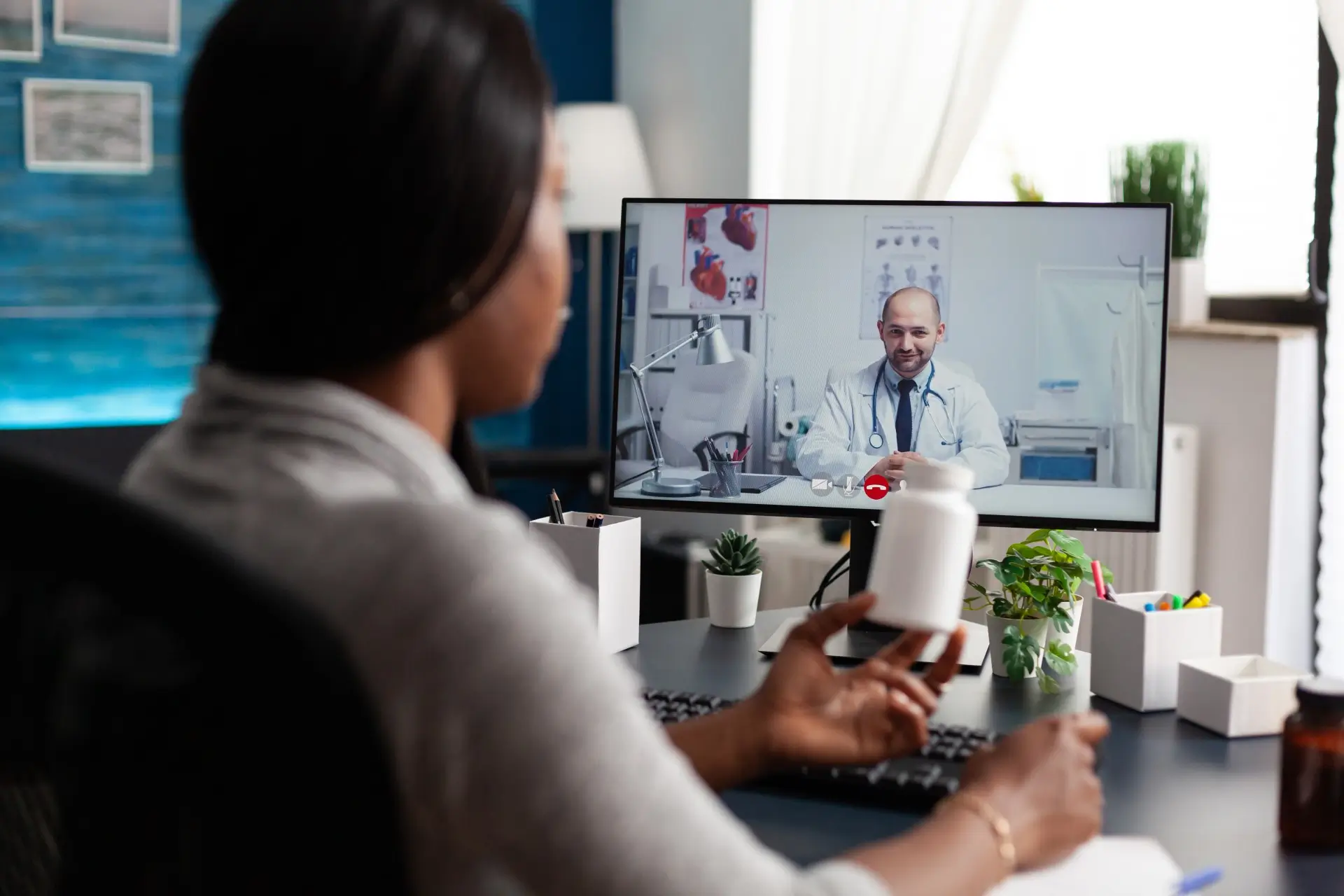
How Can Healthcare Providers Communicate Effectively During Telehealth Consultations?
Telehealth has become a standard part of modern healthcare delivery. As remote consultations continue to grow, the focus has shifted toward ensuring communication is clear, secure, and patient-centered. For healthcare providers, effective virtual communication is as critical as clinical accuracy.
What Are the Main Benefits of Telehealth for Patients and Providers?
Telehealth allows patients to access care without traveling long distances or waiting for hours in a clinic. It also supports flexible scheduling, reducing time away from work or family obligations. For providers, telehealth can streamline administrative tasks, reduce cancellations, and expand outreach.
Healthcare communication agencies and MedComms services increasingly support this model with patient education tools and platform guides. Medical writers often contribute by developing accessible, jargon-free content that enhances digital interactions.
How Can Providers Prepare for a Productive Virtual Consultation?
What Communication Techniques Improve Virtual Consultations?
In virtual care, clear speech, eye contact through the camera, and brief pauses to allow patient responses are essential. Explaining medical concepts using screen-shared visuals or annotated documents can also improve patient understanding.
Medical communication experts suggest using active listening techniques, repeating back what the patient says or summarizing their concerns, to prevent misunderstandings and build trust. These strategies are often integrated into materials developed by medical writing services agencies.
How Can Providers Keep Patients Engaged During a Virtual Visit?
Ask open-ended questions to invite the patient into the discussion. For example: “What symptoms have changed since your last visit?” This encourages patients to speak freely and share useful details.
It’s also important to check that patients understand instructions before ending the session.
What Measures Ensure Confidentiality and Privacy During Telehealth Appointments?
Providers must use telehealth platforms that meet data security standards such as HIPAA. Identity verification before starting the consultation, along with informed consent, is a basic steps that protect patient privacy.
Patients should also be advised on how to maintain confidentiality on their end, using private internet connections, not sharing devices, and keeping personal information secure. A healthcare advertising agency or medical communications team can help create simple, informative content that reinforces these points.
How Can Follow-Ups and Aftercare Be Handled Remotely?
Follow-ups should be scheduled during the initial call, with reminders sent via SMS or email. Providing digital resources such as instructions, lifestyle advice, or medication reminders helps ensure patients stay on track.
Medical writers often work alongside healthcare teams to create personalized aftercare documents that align with the provider’s clinical approach. These materials are a critical part of modern medical affairs strategy.
What Are the Most Common Telehealth Communication Challenges and How Can They Be Solved?
Connectivity issues, background noise, or patient discomfort with digital platforms can affect communication quality. Providers should have a basic troubleshooting guide and a backup contact plan.
To reduce friction, many healthcare marketing agencies now include telehealth onboarding in their outreach strategies. This might involve brief tutorials or access to tech support before the consultation begins.
How Can Organizations Help Clinicians Improve Their Telehealth Communication?
Ongoing training in virtual care is essential. This includes courses on digital etiquette, patient engagement, and security protocols. Medical writing for medical devices and patient communications can support these programs with clear, instructional content.
Organizations should also invest in updated equipment and access to professional development. A MedComm agency or scientific and medical writings team can help embed best practices into daily workflows, ensuring consistent, quality care.
Final Thoughts: Why Is Communication Central to Telehealth Success?
Clear, empathetic communication is the foundation of any good consultation, virtual or otherwise. As telehealth becomes a permanent fixture in healthcare delivery, the demand for strong communication tools, training, and content will continue to grow. Whether through a medical writer near me or a specialized healthcare communication agency, support for virtual care must go beyond tech; it must include the human element.