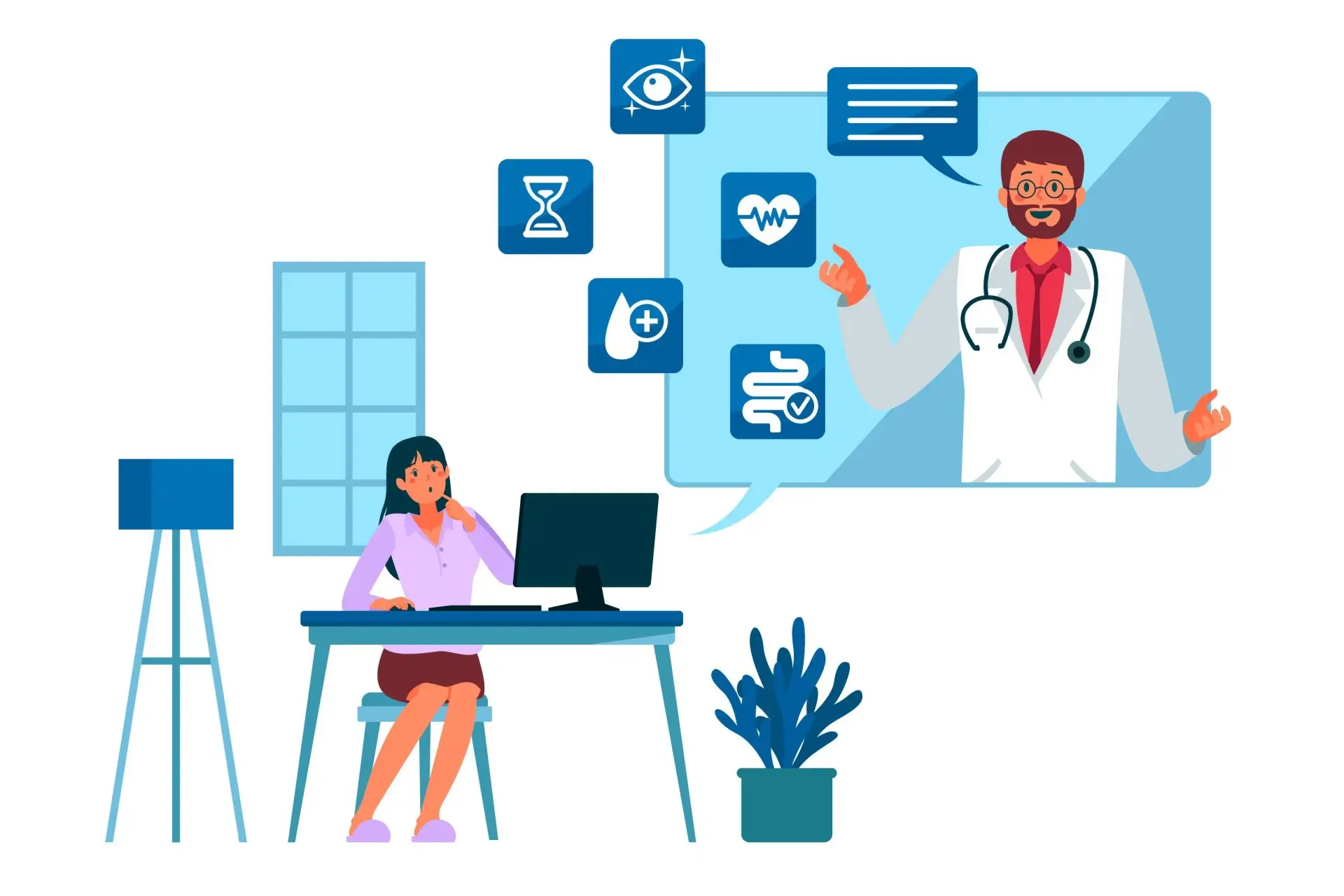
In the ever-evolving landscape of healthcare, disease awareness is a critical component of early diagnosis, treatment, and prevention. It serves as the cornerstone for informed decision-making by patients, healthcare providers, and policymakers alike. In this context, the role of a medical communicator becomes pivotal.
Medical communicators are experts in the written and spoken word of healthcare. They create written and verbal strategies that can influence and empower individuals and populations to make healthier choices. In short, a medical communicator bridges the gap between medical knowledge and the wider community, thereby imparting knowledge and enabling individuals to take the right approach towards healthcare.
Healthcare businesses can leverage the expertise of medical communicators to effectively engage their target audience, offering valuable insights into disease awareness, management, and prevention. Such collaboration enhances the overall healthcare ecosystem by ensuring that information is not just available, but also comprehensible and actionable for the benefit of all stakeholders.
The digital landscape today provides tremendous opportunities to impart disease awareness. The choice of medium depends on the target audience, the nature of the disease, and the goals of the awareness campaign.
Here are some common mediums:
Websites and Online Portals: Creating and maintaining informative websites and online portals dedicated to specific diseases. These platforms often provide a wealth of information, including symptoms, treatment options, support groups, and resources.
Social Media: Utilizing social media platforms to disseminate information, engage with the community, share stories, and promote events. Social media is a powerful tool for reaching a wide audience quickly.
Printed Materials: Designing and distributing brochures, pamphlets, posters, and informational booklets that can be placed in healthcare facilities, libraries, and community centers.
Educational Videos: Creating and sharing videos on platforms like YouTube to explain disease information, treatment procedures, patient testimonials, and more. Videos are particularly effective for visual learners.
Podcasts: Developing podcasts that discuss various aspects of diseases, featuring interviews with experts, patients, and healthcare providers. Podcasts are convenient for people who prefer audio content.
Webinars and Online Workshops: Hosting webinars and online workshops to educate both the public and healthcare professionals about a particular disease. These interactive sessions allow for live Q&A.
Public Awareness Campaigns: Launching large-scale awareness campaigns through various media channels, including television, radio, billboards, and print media. These campaigns are often used for more common or high-profile diseases.
Community Outreach: Engaging in community events and health fairs to provide on-the-ground disease education and resources. These events often include free screenings and consultations.
Mobile Applications: Conceptualising and creating content for mobile apps that provide disease information, symptom tracking, and resources for patients. These apps can be especially useful for ongoing management of chronic conditions.
Newsletters and E-Alerts: Distributing regular newsletters and email alerts to subscribers who want to stay updated on disease-related news, events, and research.
Social Support Groups: Facilitating or promoting online and in-person support groups where patients and their families can share experiences and advice related to a specific disease.
Infographics and Visual Content: Creating visually appealing infographics and graphics that convey key information about diseases in a concise and memorable way.
Collaboration with Healthcare Professionals and other Healthcare Companies: Partnering with healthcare providers or companies to ensure that disease awareness is integrated into clinical practice.
Advocacy and Policy Work: Collaborating with advocacy groups and policymakers to shape public health policies, secure funding for research, and raise awareness about specific diseases at a systemic level.
Academic and Medical Journals: Publishing articles and papers in academic and medical journals to ensure that the latest research and findings are disseminated within the medical community.
The choice of medium depends on the goals of the awareness campaign, the preferences of the target audience, and the available resources. Effective disease awareness campaigns often use a combination of these mediums to reach a broad and diverse audience.
The role of a medical communicator in creating disease awareness is multifaceted and of great societal importance. Their work impacts individuals affected by diseases and the healthcare system at large. Collaboration with medical communicators empowers healthcare entities to create targeted and impactful disease awareness campaigns, ensuring essential health information reaches and resonates with the intended audience.
In an era where 'patient-centric decision making' is central to effective healthcare, the expertise of medical communicators plays a pivotal role in bridging this gap. Through collaboration, healthcare entities empower individuals with the right information, enhancing healthcare outcomes and fostering a healthier society.
Join us to discover strategies for raising disease awareness and building your brand through impactful medical communication.